
Sounds of Antarctica
Audios
Discover Antarctica through an exclusive collection of sounds captured by hydrophones in the heart of the white continent.
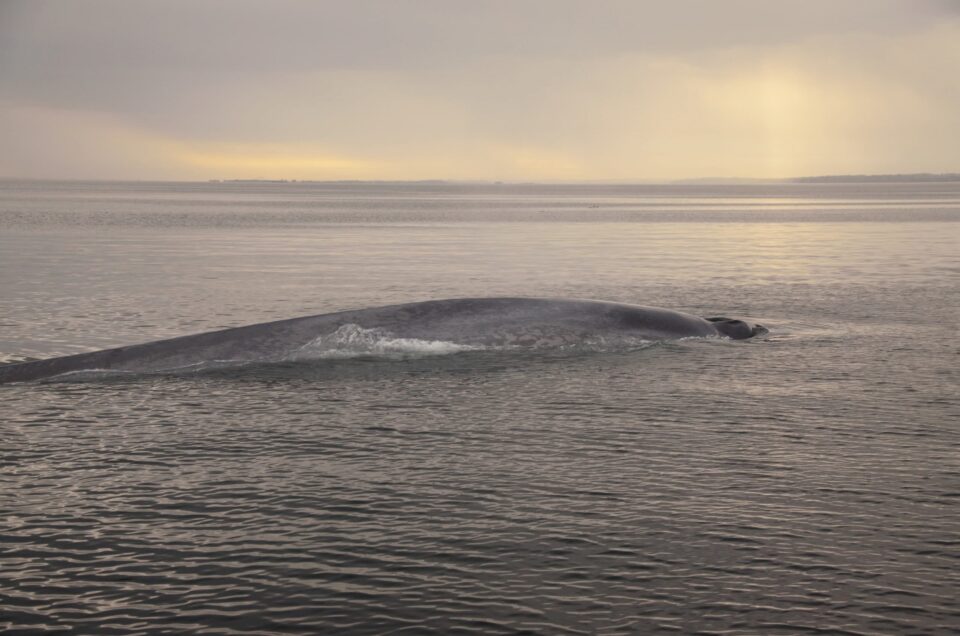
Blue whale
It is the largest animal on Earth. It can be found in all the world’s oceans and can weigh between 100 and 160 tons, equivalent to the weight of about 15 elephants. It feeds mainly on krill.
See more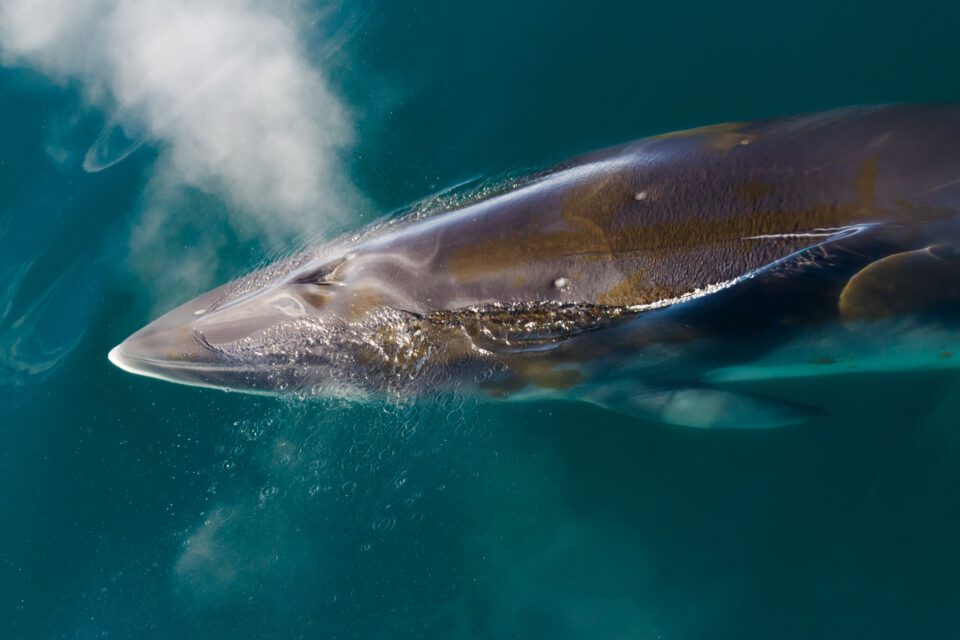
Antarctic minke whale
The Antarctic minke whale is the smallest of all. As an adult, it can grow up to 11 meters long, and calves reach up to 2.7 meters. It lives in the Southern Hemisphere and its natural predators are orcas. It feeds mainly on krill and is completely gray.
See more
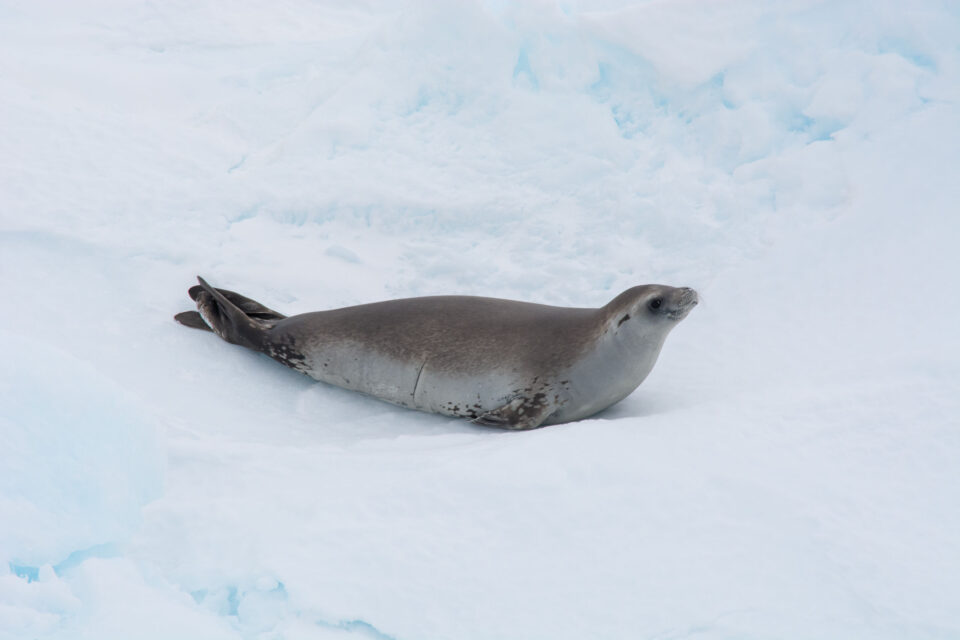
Crabeater seal
The crabeater seal is one of the most abundant seal species in the world. Its population is estimated to be in the millions. It has specialized teeth that allow it to filter krill from the water, a unique adaptive trait. It primarily lives on sea ice.
See more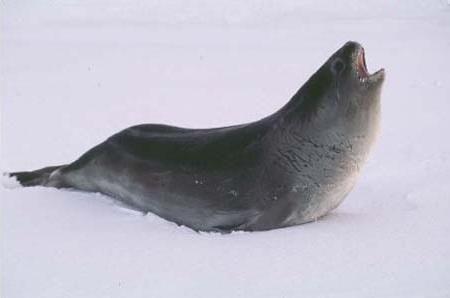
Ross seal
Its scientific name is Ommatophoca rossii and it usually measures between 1.6 and 2.1 meters in length. It is typically found on the drifting ice of the Southern Ocean. Due to its solitary nature and preference for remote areas, it is one of the least observed and studied seals.
See more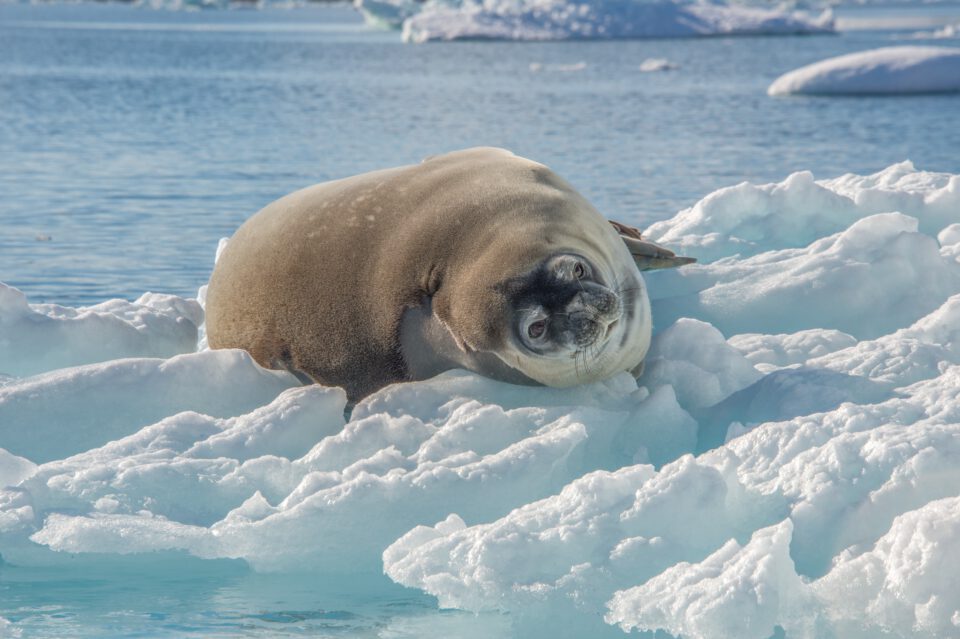
Weddell seal
It is one of the most iconic Antarctic seal species. Known for its adaptations to extreme cold, it is usually found on fast ice near the Antarctic coast. It dives to hunt prey in deep waters.
See more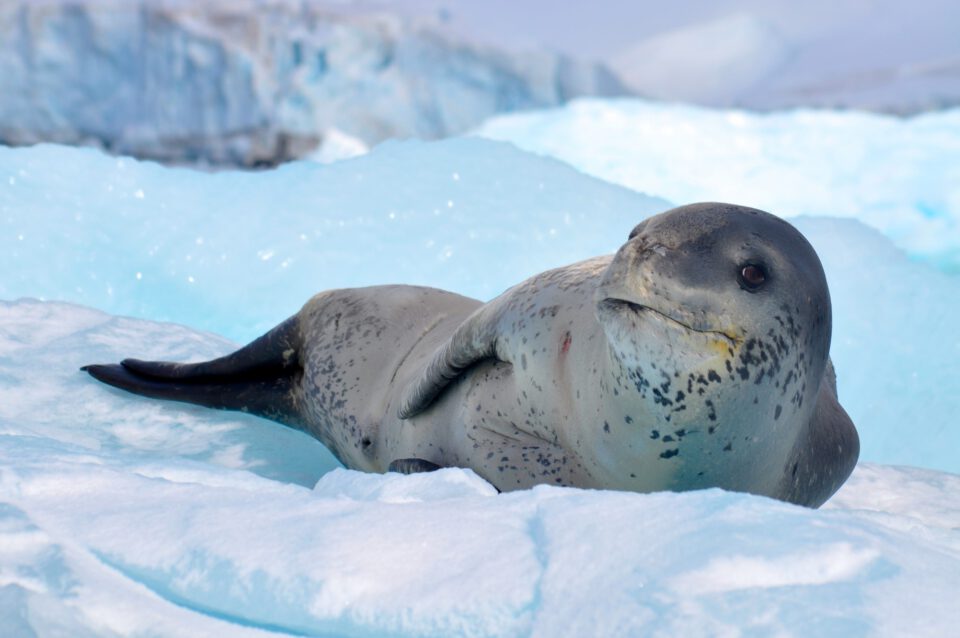
Leopard seal
They are easily recognized by their large size and distinctive spotted pattern. They are opportunistic hunters and feed on fish, squid, krill, and other seals.
See more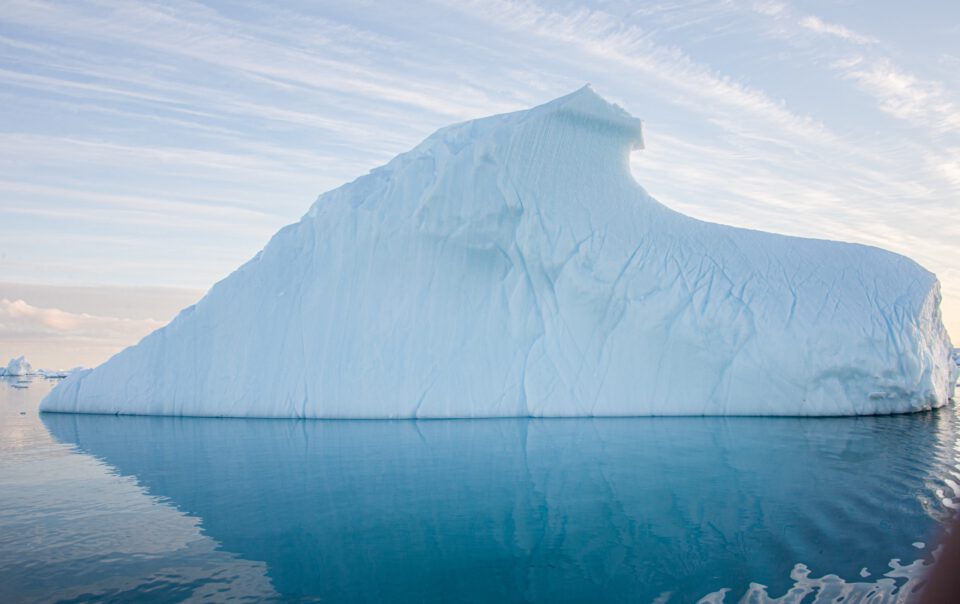
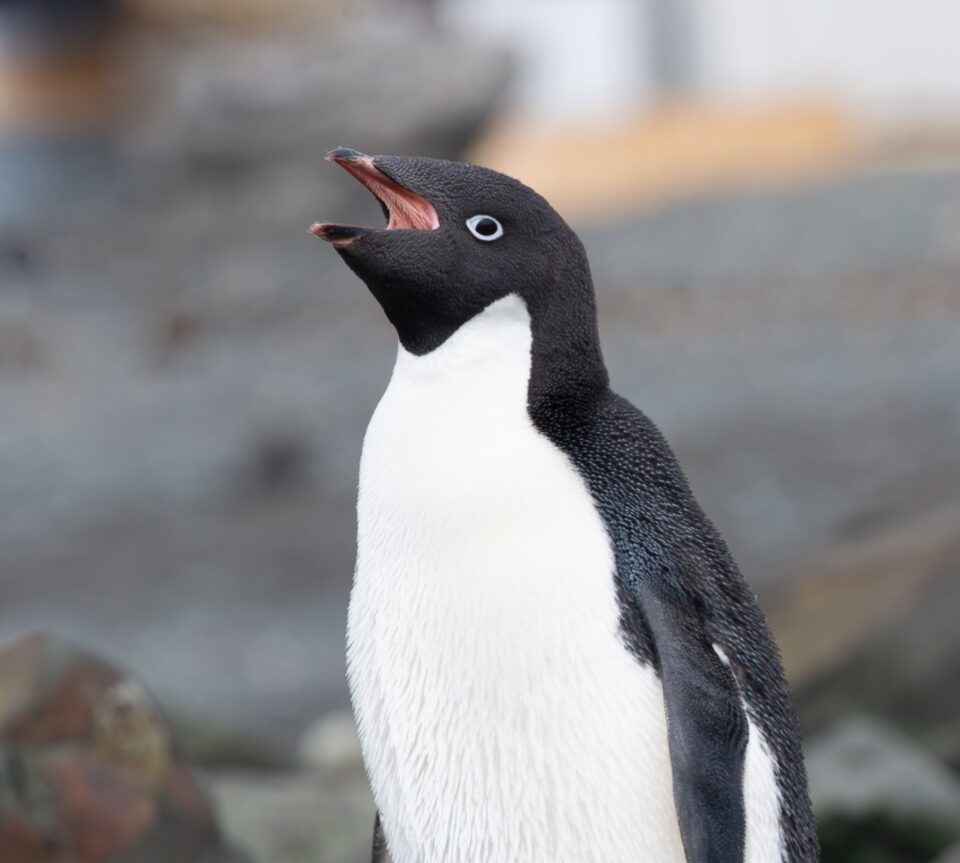
Adélie penguin
They mainly inhabit the coasts of the Antarctic continent and some sub-Antarctic islands. They are excellent swimmers and can dive up to 150 meters deep to hunt for food.
See more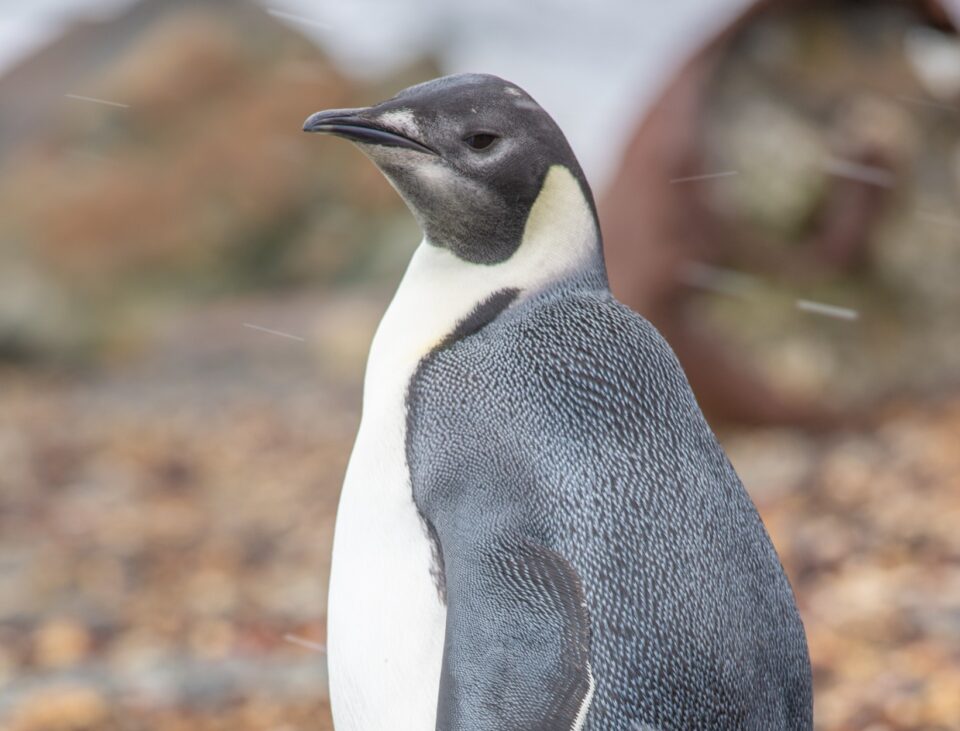
Emperor penguin
It is the tallest and heaviest of all penguin species, standing between 110 and 120 centimeters tall and weighing between 25 and 45 kilos. It can dive to depths of up to 500 meters.
See more
Mysterious sound
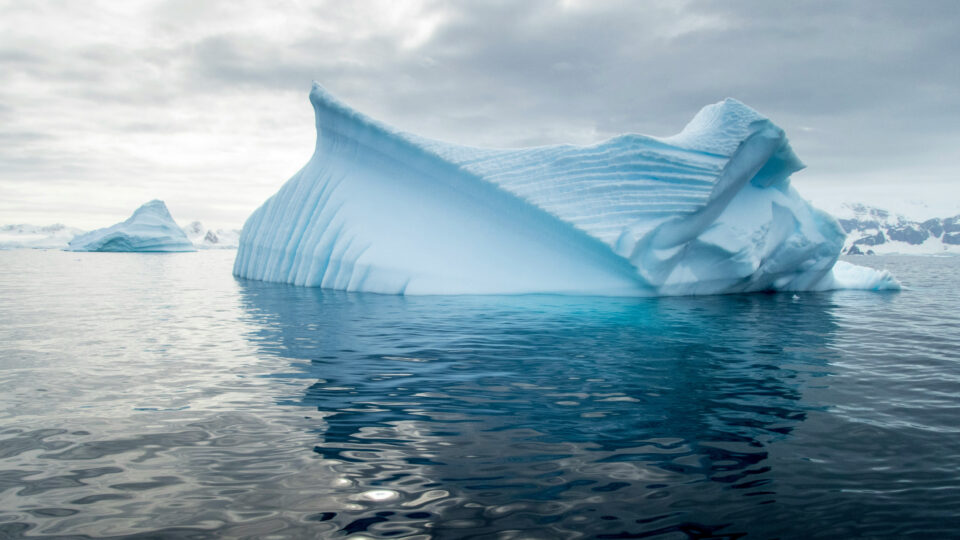
This enigmatic sound is a series of tones and vibrations that cannot be easily attributed to a specific source. It may be caused by a variety of factors, such as ice movement, underwater seismic activity, or poorly understood interactions between marine species.
See more