
An illustrated story of Antarctica
This initiative is a bridge between science, art, and communication, aiming to share the importance of the white continent.
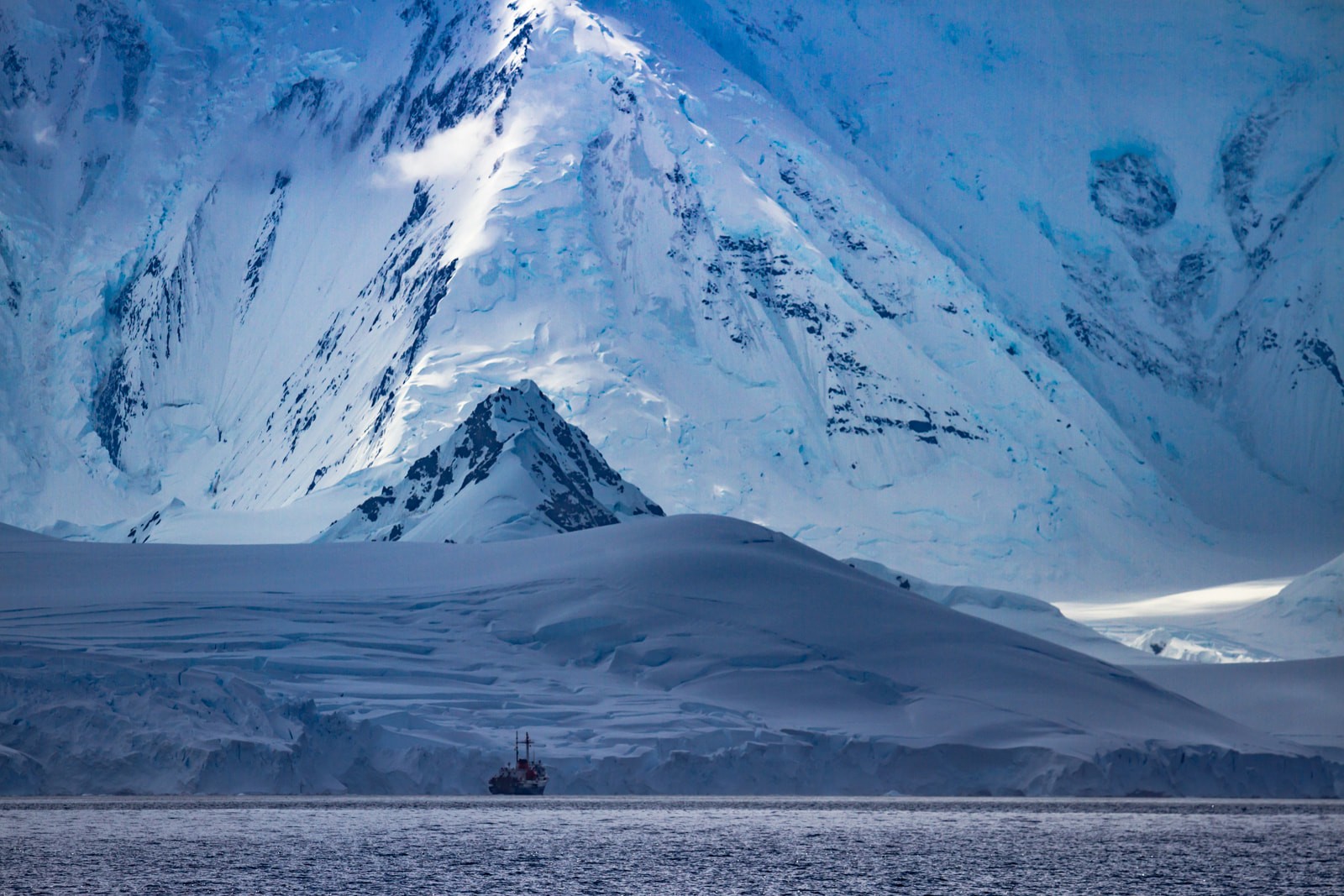
Discover the origins of Sonorous Antarctica
The story of this project began in October 2022, during the General Assembly of the CoastCarb program held in Punta Arenas. At that meeting, a group of scientists and science communicators discussed the possibility of creating a book with sound recordings of the white continent.
Little by little, what began as a simple conversation started to take shape, new professionals joined the team, and innovative ideas emerged. Eventually, Antártica sonora became an international science communication project with three components:
- Illustrated book: Designed for boys and girls. It tells the story of a scientist who travels with her granddaughter to the white continent. The story is accompanied by sounds. Available in Spanish, English, and German.
- Art exhibitions: Illustrations from the book are being exhibited in Chile and Germany.
- Interactive website: This online platform provides access to Antarctic sounds and other resources, connecting the audience with the continent's biodiversity and soundscapes.
A good idea born during wartime
Marine acoustics is the discipline that studies sound in the marine environment. As a science, it emerged during World War I and quickly developed, especially to address problems caused by air raids, artillery shelling, and submarine attacks.
Although it was born in that era, today it is used to study aquatic life, explore the seafloor, detect seismic and volcanic activity underwater, and monitor the environment.
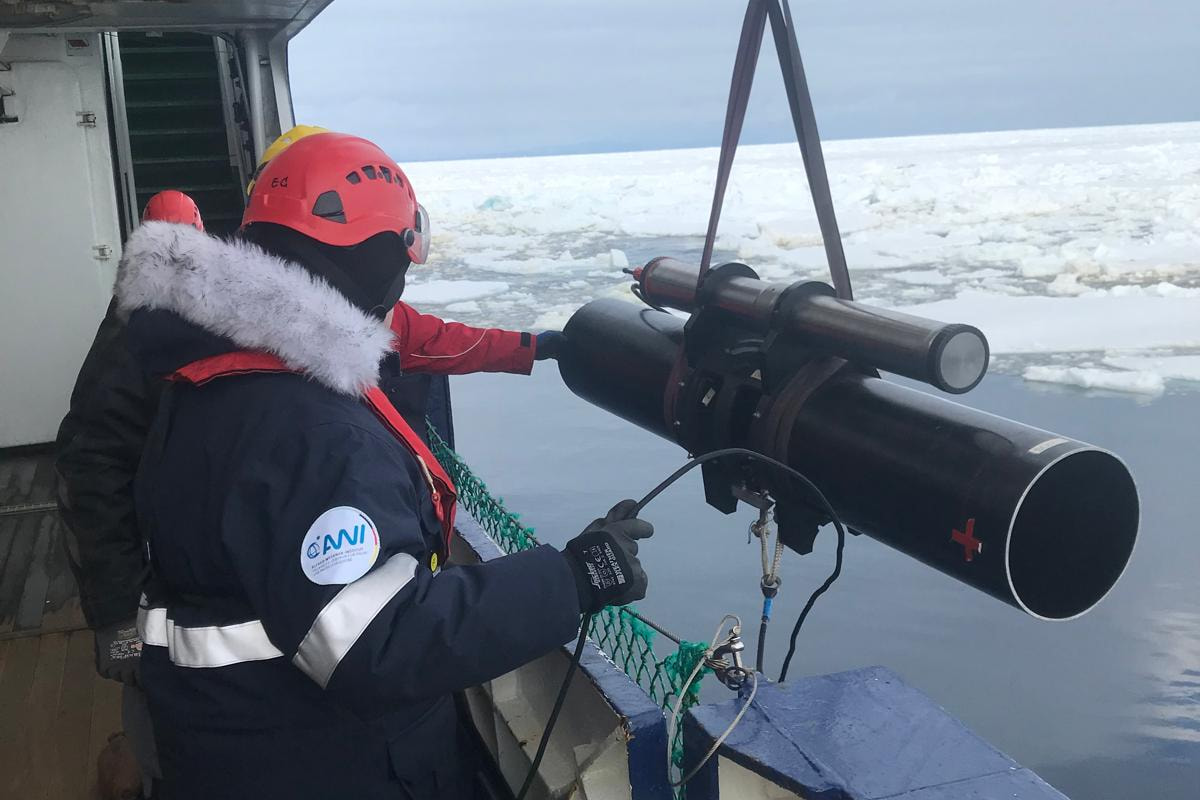
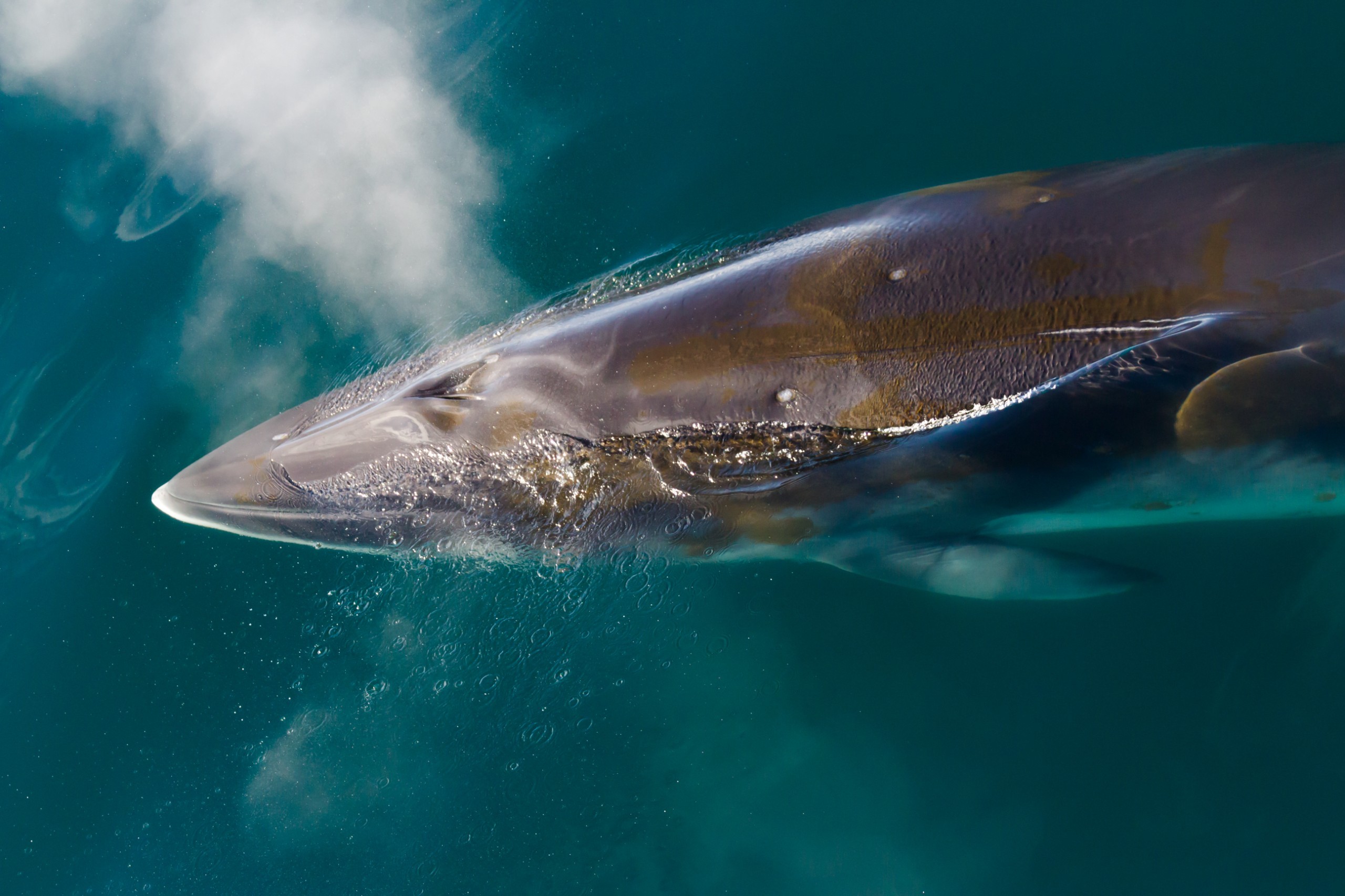
Microphones under water
Hydrophones are oceanographic instruments used to detect and record underwater sounds. They are specially designed to capture recordings in aquatic environments such as oceans, seas, lakes, rivers, and other bodies of water.
They convert pressure variations in water (sound waves) into electrical signals, which can then be amplified, processed, and recorded. They are considered fundamental in marine acoustics.
Marine acoustics library
The Alfred Wegener Institute (AWI) has a public platform where it is possible to listen to underwater sounds from polar oceans. Some are biotic, meteorological, and others man-made.
The recordings were obtained using hydrophones installed in the Arctic and Antarctica and contribute to the polar acoustic environment.